
11 Best Military Counseling Masters Degrees for 2026: Expert Career Guide
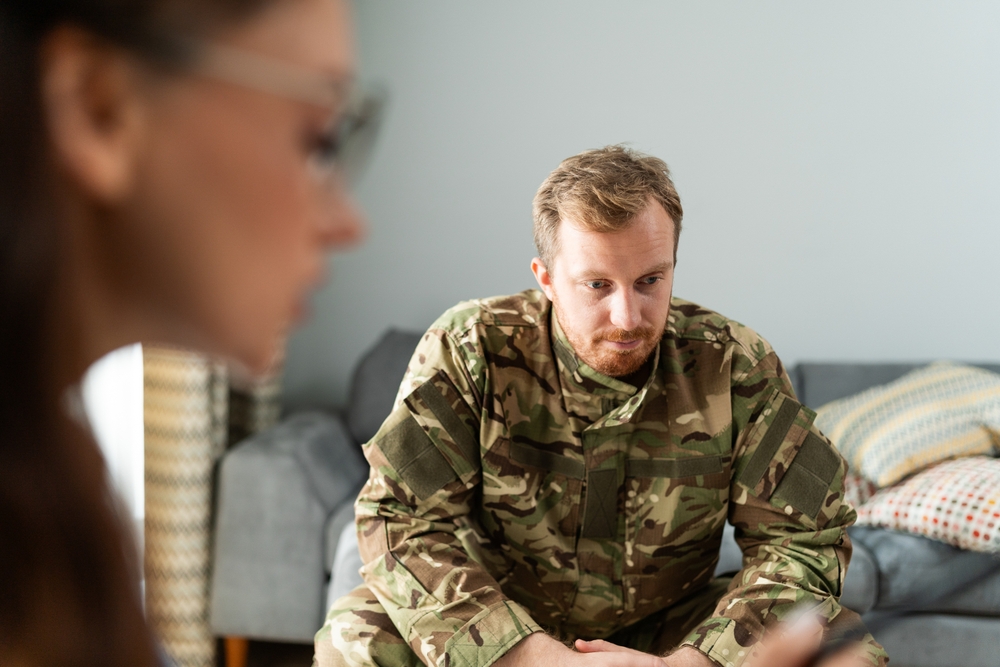
The demand for Military Counseling Masters Degrees keeps growing rapidly. The numbers tell a striking story – 13 to 20 percent of the 2.8 million U.S. service members who served in Afghanistan and Iraq since 2001 now deal with post-traumatic stress disorder (PTSD). This makes specialized mental health support more crucial than ever.
The reality hits hard when you look at the numbers. Veterans face multiple challenges – 10 to 15 percent battle depression, while 19 to 23 percent have dealt with traumatic brain injuries. On top of that, mental health treatment reached more than 1.7 million veterans in 2021 alone. These rising needs explain why mental health counselor jobs should grow by 17% between 2024 and 2034.
A Masters in Military Psychology opens doors to help with unique behavioral health challenges that active duty personnel and veterans face daily. Military counseling programs teach you to build healthy resilience strategies for service members and their families. CACREP-accredited programs offer specialized coursework and internship experiences that focus specifically on military contexts.
This guide will get into the 11 best military counseling programs available for 2026. You’ll find everything you need to start a rewarding career helping those who serve.
1. William & Mary – M.Ed. in Military and Veterans Counseling
William & Mary stands out with Virginia’s only master’s degree in military counseling. This unique program prepares professionals to help military personnel, veterans, and their families with their behavioral health needs. The program’s CACREP accreditation ensures graduates meet professional standards needed for licensure in most states.
Program overview
The M.Ed. in Counseling with a Military and Veterans Counseling concentration teaches counselors to help veterans who face post-traumatic stress disorder, traumatic brain injury, and emotional effects of physical injury. Students learn to support veterans through their transition from military to civilian life. The 60-credit hour program gives students flexibility with online and on-campus options. Part-time online students can finish in three years, while full-time on-campus students typically complete the program in two years.
This specialization works great for candidates with and without military experience. Students learn to build strong counseling relationships with service members and their families. The program puts social justice at its core. Students track their progress in specific social justice skills throughout their coursework.
Curriculum highlights
The curriculum combines essential counseling courses with specialized military training. Core courses include:
- Theories of Counseling and Psychotherapy
- Techniques of Counseling
- Group Theory and Techniques
- Professional, Ethical and Legal Issues in Counseling
Military-focused courses cover military life and culture, military-to-veteran transition, and trauma-related disorders treatment. The program also teaches substance abuse counseling, couples counseling, and sex therapy. Full-time students follow a structured sequence: 15 hours in Fall 1, 12 hours each in Spring 1, Fall 2, and Spring 2, plus 9 hours in Summer Year 1.
Practicum and internship
Clinical experiences play a vital role in student preparation. First-year students start working with clients through a supervised practicum lasting 100 clock hours. Second-year students complete two internships totaling 600 hours of clinical work. Students in the Military and Veterans program work specifically with military and veteran clients under licensed field supervisors and program faculty.
Tuition and affordability
Current tuition costs $825 per credit hour, bringing the total program cost to $49,500 for 60 credits as of October 2025. Students should plan for additional fees: $150 for graduation (non-refundable), $150 for LiveText (one-time), $50 for application, and $360 for enrollment deposit (applied to tuition). The School of Education helps students create financial aid packages. Federal and private student loans are available. FAFSA deadlines run December 1 for January start, April 1 for May start, and July 1 for August start.
2. Liberty University – MA in Human Services Counseling (Military Resilience)
Liberty University offers a Master of Arts in Human Services Counseling with a Military Resilience concentration. This program combines counseling principles with biblical foundations. Students learn to help military personnel and their families face their unique challenges.
Program overview
The MA in Human Services Counseling with Military Resilience specialization helps you provide non-licensure counseling services to military members and their families. This degree prepares graduates to work in Christian counseling ministries, community service agencies, group homes, and outreach services. You’ll learn about human behavior and develop helping skills that work best with military populations.
Liberty’s military resilience program gives you the tools to become an innovative leader in counseling. You’ll develop specialized knowledge to help military clients. Your professors bring extensive real-life counseling experience to help you build both theoretical knowledge and practical skills.
Military counseling focus
The curriculum covers three main areas that help address military-specific challenges:
- Resilience for leaders and caregivers
- Resilient marriage and family development
- Military career and community transition
This specialization teaches you ways to reduce the effects of post-traumatic stress, critical incident stress, and personal crises on military individuals and families. You’ll learn skills to support service members through active duty challenges and their transition to civilian life. The program works great if you already work in military support and want to boost your skills.
Online format
Liberty has led the way in distance education since 1985. Their online experience works well for busy professionals. The program includes:
- 100% online coursework with no set login times
- Optional on-campus intensives for networking
- 8-week courses with 8 different start dates throughout the year
- Upcoming start dates in February, March, and May 2026
You can complete your education without disrupting your career or family life. The optional intensives let you meet leading professionals and build connections with peers and professors.
Tuition and military discounts
Liberty University keeps its prices competitive, especially for military-affiliated students. The graduate tuition rates are:
- Full-time: $580.00 per credit hour
- Part-time: $645.00 per credit hour
All the same, Liberty offers big discounts for:
- Active duty service members
- Reserve/National Guard
- Veterans/retirees
- Spouses of service members and veterans
- Current Department of Defense employees
Military students pay a reduced rate of $290.00 per credit hour for graduate programs. Veterans working as First Responders can get extra discounts. These rates make Liberty’s online tuition among the most affordable compared to leading competitors.
3. Commonwealth University – Military Resilience and Trauma Certificate
Commonwealth University’s Military Resilience and Trauma Certificate program gives professionals a direct path to gain specialized skills. The focused certification serves as an alternative to full military counseling masters degrees when you already work in mental health or related fields.
Program overview
The Military Resilience and Trauma Certificate (MRTC) helps professionals expand their knowledge and training to work with military clients and their families. This 9-credit post-baccalaureate certificate program tackles both resilience and trauma aspects that military families face. Students get practical skills to support service members through their unique challenges, beyond just theoretical knowledge.
The certificate welcomes applicants with a bachelor’s degree in mental health or related fields who maintain a minimum 3.0 GPA. Counseling professionals can add specialized military counseling expertise to their credentials through this program.
Curriculum and delivery
The curriculum has three specialized courses that total 9 credits:
- CMHC570: Trauma & Crisis Counseling
- CMHC575: Issues Facing Military Veterans
- CMHC580: Reintegration and Recovery for Veterans and their Families
This focused coursework gives complete training in military-specific counseling challenges. The program follows a set sequence—CMHC575 and CMHC580 run in Summer terms, while CMHC570 runs in Fall or Spring semesters.
The program’s flexible delivery format is a key advantage. Students can take courses in a 100% online format that blends synchronous and asynchronous learning. Working professionals can improve their credentials without career disruption. New students can start in August or January.
Tuition and financial aid
The Military Resilience and Trauma Certificate belongs to Commonwealth University’s 100% online graduate programs. While specific tuition rates aren’t listed, students should know that this certificate program stands separate from degree requirements. The certificate coursework won’t count toward the 60 credits needed for the M.A. in Clinical Mental Health Counseling degree.
The program’s compact 9-credit structure offers an economical option to improve your masters in military psychology credentials without pursuing a full degree. Students should talk to academic advisors about the best timing for certificate courses within their academic or professional schedule.
4. Bellevue University – MS in Clinical Mental Health Counseling
Bellevue University’s CACREP-accredited Master of Science in Clinical Mental Health Counseling trains aspiring military counselors. This 60-credit graduate program meets national licensing standards for mental health professionals who plan to serve various populations, including military personnel.
Program overview
The MS in Clinical Mental Health Counseling program equips students for mental health careers through detailed coursework and clinical experiences. Students receive training that lines up with competency-based knowledge and professional standards. The program builds ethical and critical thinking skills in counselor identity, compassionate practice, self-reflection, and advocacy—these skills matter in military counseling settings.
The program offers flexibility and takes 3-4 years to complete based on course load. Students who take two classes per term in all four terms (fall, winter, spring, and summer) can graduate in about 2½ years. The curriculum goes beyond core coursework and adapts to new practices, ethical codes, and treatment approaches in the counseling field.
Military counseling concentration
Bellevue’s clinical mental health counseling program applies to military settings, though it doesn’t offer a specific military concentration. The program teaches counselors to work with clients of all backgrounds—a vital skill for supporting service members and veterans with specific mental health needs.
Students build strong foundations for professional practice through courses in psychopathology, human development, group counseling, and multicultural competence. These skills help counselors work in military environments where they must understand varied experiences and use trauma-informed approaches to support service members and their families.
Practicum and fieldwork
Practical experience is the foundation of Bellevue’s program. The fieldwork requirements match many military counseling masters degrees. The clinical experience has:
- 100 hours of supervised practicum (40% direct client contact)
- 600 hours of clinical internship (40% direct client contact)
- Two required in-person residencies
Students complete their first 100 hours of supervised practice during practicum. This includes 45 direct client contact hours. The clinical internship builds on this foundation with 600 more hours across three sequential terms. Students must complete at least 200 hours per term.
Licensed counseling professionals supervise students and provide guidance throughout these experiences. Yes, it is through these practical experiences that students apply theoretical knowledge in ground settings. They build their resumes, confidence, and professional networks. Students must complete two noncredit residency classes in person on campus starting June 2026, as per CACREP accreditation requirements.
5. Lock Haven University – MS in Clinical Mental Health Counseling
Lock Haven University shines as a top military-friendly school with its specialized online Master of Science in Clinical Mental Health Counseling program. The university ranks #7 among the Most Veteran Friendly in Pennsylvania for Mental Health Counseling/Counselor programs. This shows their steadfast dedication to supporting military service members.
Program overview
Lock Haven’s MS in Clinical Mental Health Counseling offers a complete 60-credit program that lines up with Pennsylvania’s professional counselor licensure requirements. Students can earn this CACREP-accredited degree entirely online, preparing them to work independently in mental health settings of all sizes. Students who complete the program and pass the National Counselor Examination become eligible for the National Certified Counselor (NCC) credential.
The program uses a cohort model to promote a supportive learning community. Students can choose between full-time study with three courses per semester including summers, or part-time with two courses per semester including summers. Both options follow a structured curriculum progression.
Military and veterans counseling track
The program’s standout feature is its specialized concentration in Counseling Veterans and their Families. This focused track teaches specific skills for trauma work with military veterans and their families in a variety of mental health settings.
The concentration has three specialized courses (9 credits) within the total 60-credit program. These courses help students develop targeted skills to support veterans with trauma recovery and family reintegration challenges.
Lock Haven shows strong support for veterans beyond the classroom. Recent data shows that among 3,163 enrolled students, 129 use GI Bill® benefits, with 53 receiving Post-9/11 GI Bill® support. Students with Post-9/11 GI Bill® benefits received an average award of USD 5,581 for tuition and fees. The university also gives credit for military training to eligible students.
Admission and format
Students need several items to apply: an online application, official college transcripts with a minimum 3.0 GPA, current resume, three professional references, and a statement of professional goals. They must also pass a faculty interview.
Lock Haven welcomes students with previous graduate work. The program accepts up to 12 credits (4 courses) from other institutions. These transferred courses must have earned a B or higher, core courses must be from CACREP-accredited programs, and students must have completed them within three years of starting at Lock Haven.
Students take classes year-round during fall, spring, and summer semesters. This continuous schedule helps students finish faster while keeping their workload manageable.
6. New York University – MA in Counseling for Mental Health and Wellness
NYU’s Steinhardt School’s MA in Counseling for Mental Health and Wellness program works great for students looking to build a career in military counseling. The program isn’t exclusively military-focused but gives you great training that you can use when working with service members and veterans.
Program overview
The online master’s in Counseling for Mental Health and Wellness prepares you to become a licensed mental health counselor who can help different populations, including military communities. This 60-credit program has complete coursework and practical training through a counseling lab, 100-hour practicum, and 600-hour internship. You can finish your degree in as few as five terms, based on when you start.
The curriculum helps you work with people from different cultural backgrounds throughout their lives. As a graduate, you’ll be able to:
- Help clients build healthier lifestyles
- Use critical counseling skills including case conceptualization
- Assess clients of various age groups
You’ll take specialized electives that directly relate to military settings. These courses cover trauma responses, substance-related disorders, and marriage counseling.
Military counseling relevance
NYU’s core curriculum is enhanced by its strong military connections through the NYU Langone Military Family Clinic. The clinic provides free, confidential mental health services to veterans and military families. These services help with post-traumatic stress, anxiety, depression, and readjustment issues.
The clinic welcomes veterans whatever their role, discharge status, or combat experience. Active-duty personnel, National Guard and Reserve members, and their families can also access these services. Students pursuing military counseling careers might get fieldwork opportunities at this clinical setting.
Online delivery and fieldwork
Students can take classes and complete coursework online while doing in-person field experiences in their local communities. Your clinical training follows a clear timeline – practicum starts in term three, four, six, or seven based on your completion plan.
Your fieldwork includes a 100-hour practicum with 40 hours of direct practice and a 600-hour internship with 240 hours of direct practice. Professional supervision is provided throughout. NYU’s placement team finds appropriate sites within 75 miles of where you want to work. Military-affiliated students can benefit from NYU’s participation in military education programs, including the Yellow Ribbon Program, making this a cost-effective option.
7. Northwestern University – MA in Counseling
The Family Institute at Northwestern University offers a psychodynamically-oriented Master of Arts in Counseling program that builds core skills you can use in military counseling. This CACREP-accredited program focuses on self-reflection, diversity awareness, and hands-on clinical training – the building blocks needed to support military personnel with complex mental health challenges.
Program overview
Students become self-reflective clinical mental health counselors through a learning-by-doing model. The program teaches how personal and sociopolitical experiences shape current behaviors. This knowledge helps counselors work with veterans who face trauma by helping them move past experiences that affect their daily lives.
Students can choose between several paths:
- Standard Program for those with psychology backgrounds
- Bridge to Counseling Program for career-changers
- Accelerated, traditional, or part-time tracks
Northwestern’s Child and Adolescent Specialization teaches students how to help military families. The program focuses on treatment approaches that work well with young people, especially children from military households who face unique challenges.
CACREP accreditation
Northwestern University earned an eight-year CACREP accreditation in 2015 (renewing in 2024). This certification ensures the program meets professional standards. The accreditation helps aspiring military counselors become licensed in most states – a requirement for working in veterans’ centers and military installations.
Online learning experience
The program uses a shared learning approach that blends online coursework with real-world experiences. Students take part in:
- Weekly live online classes with peers and professors
- Two in-person immersions in Chicagoland
- Clinical training totaling 800 hours (practicum and internship)
Placement specialists help students find suitable sites for supervised experience with different types of clients. The program ends with a Capstone Conference where students show their counseling skills through scholarly papers and professional presentations. This complete approach prepares graduates to help military populations with their complex mental health needs.
8. Pepperdine University – MA in Psychology
Pepperdine University offers a Master of Arts in Psychology program that’s perfect for professionals who want to learn more about psychological principles in military settings. The program gives you a non-licensure path with flexible options that work well for professionals who are either transitioning from military service or currently serving.
Program overview
The Master of Arts in Psychology (MAP) program gets you ready for doctoral studies, psychology careers, or leadership growth with strong clinical foundations. Students learn about human behavior principles and mental health treatment methods that directly apply to psychological challenges military personnel face. This degree doesn’t lead to licensure but gives you essential knowledge if you work in military support settings.
Military counseling applicability
The program’s coursework helps you understand human behavior and treat mental disorders – skills that prove valuable when working with service members. Small classes promote meaningful connections between students and faculty. This creates a supportive space where you can explore your interests, including military psychology applications. The faculty brings unique experience as scholar-practitioners with professional and clinical backgrounds. They share their expertise about psychological challenges like those found in military populations.
Program length and format
The program gives you great flexibility through:
- Completion time: 1.5–2 years
- Credit requirements: 36–48 units
- Tuition: $1,630 per unit
- Multiple campus locations: West Los Angeles, Irvine, Calabasas
- Format options: Evening classes or fully online
Military personnel and professionals working with veterans will find this program accessible. Pepperdine accepts federal aid and veteran benefits to help reduce tuition costs. The university also gives out over $6 million in scholarships each year, and most students receive financial help.
9. University of the Cumberlands – MA in Clinical Mental Health Counseling
The University of the Cumberlands has earned the prestigious “gold” status from Military Friendly® for 2024-2025. This recognition places them among the nation’s top military-supporting schools, an honor achieved by less than 13 percent of evaluated institutions. Their steadfast dedication makes higher education available and meaningful for military members and veterans.
Program overview
Students in Cumberlands’ online Master’s in Clinical Mental Health Counseling learn to review patients, diagnose disorders, and deliver treatments that work. The CACREP-accredited 60-credit hour program builds a strong foundation through classroom learning and hands-on experience with required practicums and internships. The program teaches students to help people in a variety of settings through individual, group, and family counseling. Clinical supervision and practical experience are the foundations of the program, which students need to pursue licensure in most states.
Military counseling relevance
The university shows its support for military communities through several key programs. Veterans, reservists, and active-duty personnel don’t have to pay application fees. The university ranks seventh nationally among private schools with doctoral programs for military personnel. These policies have ended up creating clear paths for service members who want to start counseling careers.
Tuition and flexibility
The university’s graduate counseling programs cost $449 per credit hour. Military members and veterans get substantial discounts that bring the rate down to $315 per credit hour. Students can study from anywhere with the program’s online format. This flexibility is a vital advantage for military personnel who balance service duties with their education.
10. Grand Canyon University – MS in Clinical Mental Health Counseling
Grand Canyon University is a top choice for mental health professionals who want to work with military communities. Their MS in Clinical Mental Health Counseling program spans 62 credits and provides detailed preparation for students pursuing careers in military counseling.
Program overview
The program combines evidence-based counseling theories with real-world applications to encourage cultural awareness and ethical leadership among students. Students can choose between online 8-week courses and evening classes, with tuition at $600 per credit hour. The career outlook remains promising, as projections show 81,000 new mental health counseling positions will emerge between 2024 and 2034. Mental health counselors currently earn a median annual salary of $59,190.
Military-friendly features
The university ranks #6 nationally among Most Veteran Friendly schools for Mental Health Counseling programs. GCU’s student body includes 7,172 GI Bill students, with 4,951 enrolled through the Post-9/11 GI Bill. Military students receive several advantages:
- Special tuition rates for active service members and spouses
- Waived learning management system and Canyon Connect fees
- Up to 60 transfer credits from military training
- Yellow Ribbon Program participation with dedicated military advisors
Licensure preparation
Students who complete the program meet Arizona’s academic requirements for Licensed Associate Counselor and Licensed Professional Counselor roles. Graduates must pass required exams and complete supervised clinical hours before obtaining full licensure to practice in a variety of settings such as hospitals, clinics, and telehealth services.
11. Capella University – MS in Clinical Mental Health Counseling
Capella University’s flexible MS in Clinical Mental Health Counseling program creates a strong foundation for military counseling careers. The CACREP-accredited curriculum covers wellness theory, relationship building, assessment techniques, cultural competence, and ethical practice—key skills needed to support military personnel.
Program overview
The master’s program equips counselors to help diverse populations in many therapeutic settings. The School of Social and Behavioral Sciences Advisory Board helped design a curriculum that combines core knowledge with hands-on skills to deliver culturally sensitive counseling services. Students can choose between two learning formats—structured GuidedPath or self-paced FlexPath. Both options use a competency-based education model that measures how well you master the material rather than time spent in class.
FlexPath learning model
The FlexPath format gives military-affiliated students unique advantages while pursuing their masters in military psychology credentials. Students can set their deadlines within the first 12 days of each course and need to participate only once every 28 days. Each course must be completed within 12 weeks. Students can take one or two courses at once and start new ones right after finishing others. Service members can apply their real-world military experience to coursework and move quickly through familiar content without fixed weekly deadlines.
Military tuition benefits
Capella shows its commitment to service members through substantial financial support. Active-duty personnel, veterans, and their spouses get a 10% discount on master’s programs. The university accepts Tuition Assistance vouchers from all military branches and participates in the Yellow Ribbon Program. Students who deploy during their studies benefit from Capella’s flexible military leave policy. The university also honors education benefits like the Post-9/11 GI Bill and Montgomery GI Bill.
Next Steps
Your choice of a military counseling master’s degree can help you make a real difference in the lives of service members, veterans, and their families. This piece shows you programs that range from William & Mary’s specialized Military and Veterans Counseling concentration to Liberty University’s faith-integrated approach. Lock Haven and NYU provide solid foundations in clinical mental health counseling that you can apply to military settings.
CACREP accreditation is a vital factor to think about when you evaluate these programs. It ensures graduates meet the professional standards they need for licensure in most states. Most institutions offer flexible online formats that work well for active-duty service members and working professionals.
Money matters when you pursue advanced education. The good news is that most featured programs offer military tuition discounts and take part in the Yellow Ribbon Program or accept various education benefits. These options make quality education available to those who have served our country.
The job market for military counseling professionals looks bright, with 17% growth expected between 2024 and 2034. This growth shows how much military communities need specialized mental health support. Remember that real people face tough challenges behind every statistic – from PTSD and depression to traumatic brain injuries and the switch to civilian life.
This complete guide gives you what you need to pick a program that lines up with your career goals, priorities, and budget. Whatever path you take, your choice to study military counseling lets you support those who have given so much. Their resilience deserves your expertise, and without doubt, your work will change lives.