
Understanding Antiracist Approaches to Mental Health Care

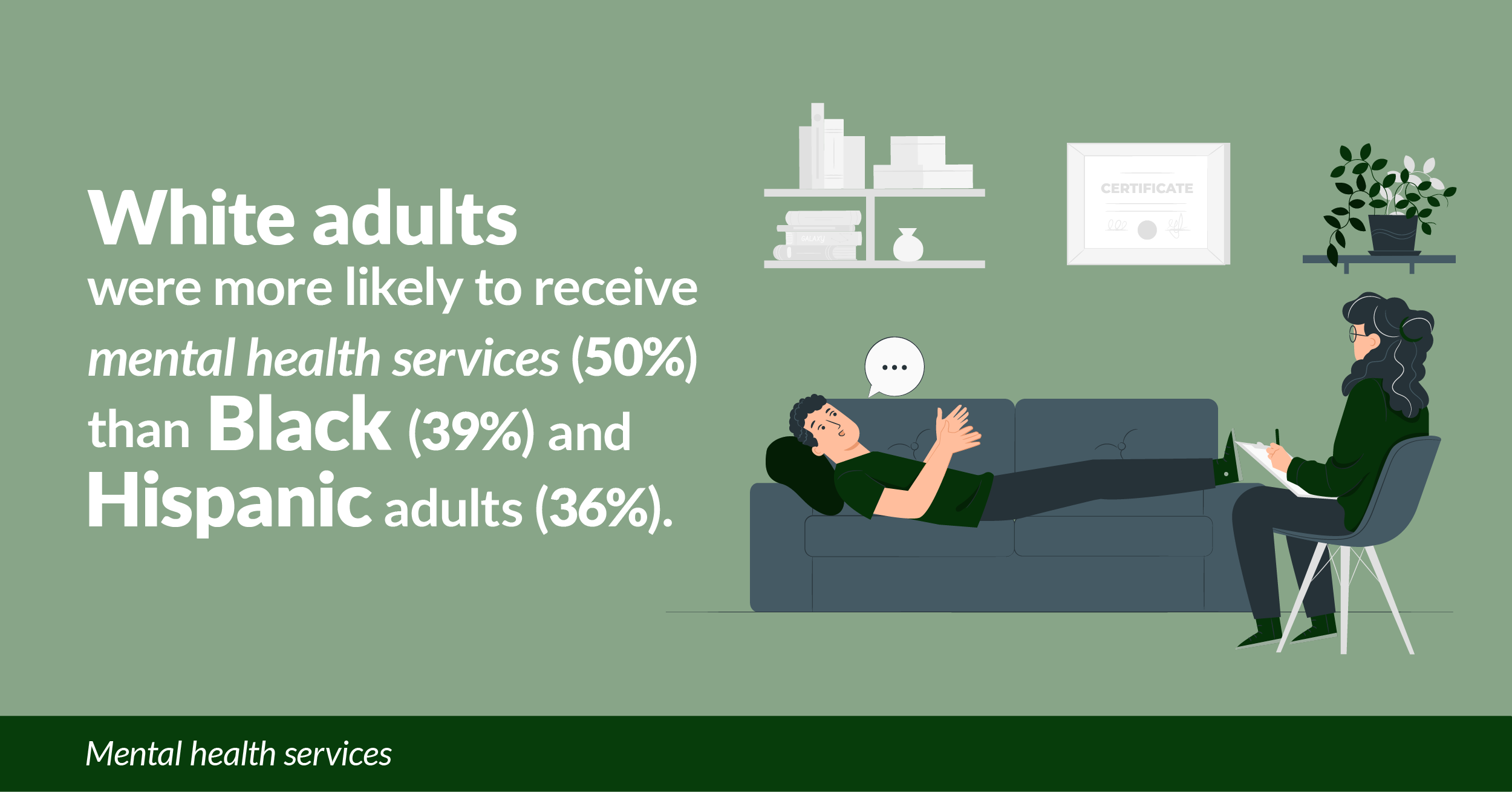
If you’re a counseling professional, aspiring clinician, or someone seeking support, you need to know that racial disparities in mental health care are real and measurable. A large national survey found that among adults reporting poor mental health, White adults were more likely to receive mental health services (50%) than Black (39%) and Hispanic adults (36%). People of color also report more trouble finding providers who understand their background or experiences.
These gaps don’t happen by accident. They stem from systemic barriers like insurance coverage gaps, provider shortages in underserved areas, and a lack of culturally sensitive screening and care. Researchers also show that people who have experienced unfair treatment by health providers are twice as likely to forgo needed mental health care afterward.
For aspiring counselors of color, barriers like high student debt, biased licensure processes, and few mentors of color make the path even steeper. More inclusive training and practice frameworks could improve outcomes for all.
Understanding Antiracist Counseling
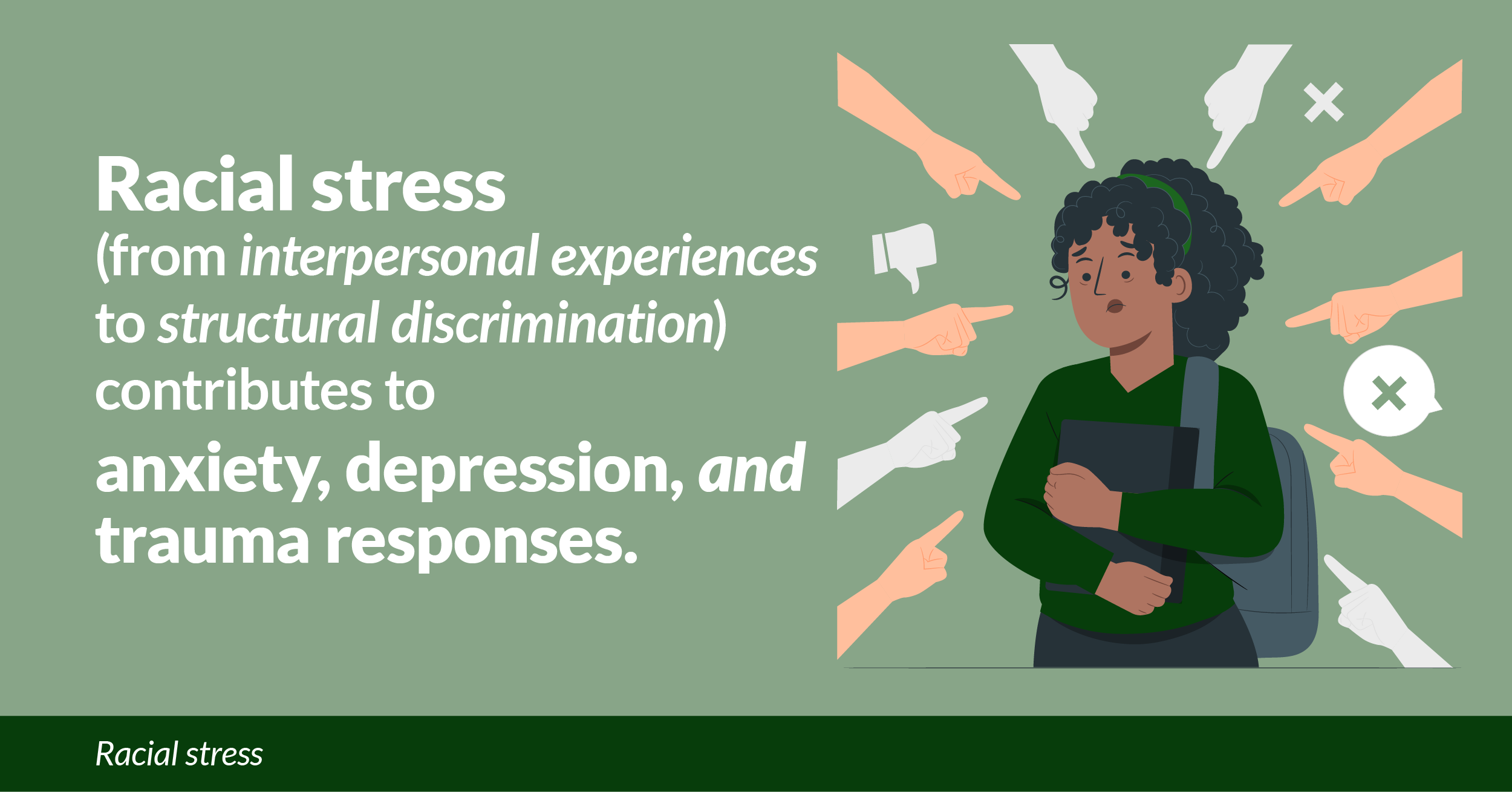
Antiracist counseling means more than general cultural sensitivity. It’s about understanding how racism, bias, and structural inequities affect mental health, and intentionally using that awareness in assessment, treatment planning, and client engagement. Research shows that racial stress (from interpersonal experiences to structural discrimination) contributes to anxiety, depression, and trauma responses.
While race matching between client and therapist is often talked about, the evidence shows mixed effects on outcomes. A meta-analysis found that people often prefer a therapist of their own race and tend to perceive therapists of shared racial background more positively, but matching alone doesn’t guarantee better treatment results.
Nevertheless, providers with strong cultural competence ( awareness and skills in working with diverse populations) are linked to better therapeutic alliances, regardless of racial match. One study found that clients’ perceptions of a therapist’s cultural competence predicted a stronger working alliance, more so than shared racial identity.
Resources for Counseling Professionals
Professional Associations and Standards. National organizations offer frameworks and educational opportunities:
- American Counseling Association (ACA) provides guidelines and ethics resources focused on diversity and cultural competence.
- Association for Multicultural Counseling and Development (AMCD) focuses on training, community, mentoring, and advocacy for multicultural practice.
- National Board for Certified Counselors (NBCC) includes multicultural competencies as part of certification and ongoing education recommendations.
These resources help you integrate antiracist approaches into daily clinical work and keep you updated with evidence-based continuing education.
- Training & Skills Development: Look for workshops on implicit bias, racial trauma, and culturally responsive evidence-based therapies. Effective antiracist practice isn’t just theory — it’s skill-based and measurable.
- Literature and Research Tools: Journals like Journal of Multicultural Counseling and Development and Cultural Diversity & Ethnic Minority Psychology publish studies on disparities, interventions, and outcomes. Books such as Counseling the Culturally Diverse (Sue & Sue) provide frameworks you can study and apply.
- Supervision and Peer Support: Seek supervisors experienced in equity-focused practice or join peer supervision groups. Discussing therapy dynamics and bias openly can help you grow clinically and ethically.
Resources for Aspiring Counselors
- Education and Scholarships: Some graduate programs emphasize multicultural counseling courses and clinical experiences that confront systemic inequities. Look for scholarships aimed at trainees from underrepresented backgrounds, which can help reduce financial barriers.
- Online and Continuing Education: Platforms like Coursera, APA webinars, and institution‑based continuing education offer modules on racial trauma, implicit bias, and culturally responsive care. These are great for building skills before or after you enter clinical practice.
- Community Engagement and Internships: Engaging with community organizations that serve diverse populations builds real-world experience. Clinical internships at community clinics or nonprofits can deepen your understanding of structural barriers and culturally immersive care.
Resources for Clients Seeking Antiracist Counseling
- Finding Culturally Responsive Providers: Directories like Therapy for Black Girls, Latinx Therapy, Asian Mental Health Collective, and Queer & Trans Therapists of Color help clients find providers who signal understanding of specific cultural contexts. These platforms often include provider statements on cultural values and approaches.
- Understanding Your Rights and Options: Encourage clients to ask potential therapists about their training in racial trauma, cultural competence, and how they handle discussions about race and identity. Transparent dialogue at intake can set clear expectations.
- Support Outside Formal Therapy: Peer support groups, culturally oriented wellness programs, and community workshops can supplement therapeutic care. Research on adolescent telemental health shows distinct racial differences in service use, indicating a need for diverse access points beyond traditional models.
Practical Tools, Common Challenges, and Next Steps
Clinicians can use culturally adapted intake assessments, structured ways to discuss racial stressors, and reflective practice checklists to reduce bias and integrate identity awareness into treatment.
Clients face barriers like cost, insurance issues, stigma, or difficulty finding culturally responsive care. Sliding scale options, teletherapy, and community clinic referrals can help. Clinicians may also encounter institutional resistance or limited mentorship in antiracist frameworks—joining equity-focused learning communities and setting aside time for reflection supports growth.
Take Action:
- Clinicians: Attend a workshop on racial trauma or implicit bias.
- Students: Apply to a mentorship or scholarship program supporting multicultural practice.
- Clients: Reach out to a culturally responsive provider or trusted directory.
Small steps make counseling safer, more equitable, and more effective. Linking studies and resources helps readers access practical tools directly.

References and Resources
General Resources
How to Find an Antiracist Therapist
A practical guide to finding a therapist who acknowledges and addresses the impact of racism in therapy, with tips on what to look for, questions to ask, and directories that center culturally responsive care.
Inclusive Therapists
An online directory that connects clients with therapists and healers committed to anti-racist, anti-oppressive, and inclusive mental health care for marginalized communities.
Ancestral Memory Therapy
An overview of an anti-racist therapy approach that centers racial trauma, systemic oppression, and historical context as part of the healing process.
Scholarly Articles / Research
Racial and Ethnic Disparities in Mental Health Care: Findings from the KFF Survey of Racism, Discrimination and Health
Reports national survey findings showing how racism and discrimination contribute to unequal access to mental health care and poorer experiences for people of color.
Antiracist training programs for mental health professionals: A scoping review
Reviews existing antiracist training programs in mental health, identifying common approaches, gaps in the literature, and areas for future development.
Antiracist Training and the Development of Cultural Humility in Mental Health Care Providers in Ethnically Diverse Schools in Canada\
Examines how antiracist training supports cultural humility and improves practice among mental health providers working in diverse school settings.
Becoming a White antiracist counselor: A framework of identity development
Proposes a developmental framework describing how White counselors come to understand and practice antiracism in their professional identities.
Advising Black Students and Anti-Oppressive Frameworks: A Systematic Review of College Access and College Counseling Literature
Synthesizes research on college access and counseling practices that support Black students through anti-oppressive advising frameworks.
Conducting Ethical, Antiracist School-Based Research
Outlines principles and practices for conducting school-based research that actively challenges racism and prioritizes ethical, community-centered methods.
A Grounded Theory of White Counselors’ Antiracist Counseling Identity Development
Develops a grounded theory explaining how White counselors build antiracist identities through reflection, learning, and practice.
Therapist Positionality: A Cornerstone of Antiracist Clinical Practice
Explores how therapists’ social identities, power, and positionality shape antiracist clinical work and the therapeutic relationship.
Outside of the Counseling Room: Whiteness and Antiracism
Examines how White counselors’ engagement with antiracism outside of therapy settings influences their clinical practice and professional responsibility.
Podcasts
Antiracist EMDR Therapy
A podcast episode exploring how EMDR therapy can be practiced through an antiracist lens, including addressing racial trauma and systemic oppression in treatment.
Anti-Racist Psychotherapy with David Archer
A podcast conversation focused on integrating antiracist principles into psychotherapy and addressing the impacts of systemic racism on trauma and healing.
Centering Inclusivity and Anti-Racism in Your Therapy Practice with Kenya Crawford
An episode discussing practical ways therapists can build inclusive, anti-racist practices and better support marginalized clients.
Anti-Racist Psychotherapy: Confronting Systemic Racism and Healing Racial Trauma w/David Archer
A discussion on recognizing systemic racism in clinical work and supporting clients healing from racial trauma through antiracist psychotherapy.
Antiracist Practices in the Room
An interview examining concrete, in-session antiracist practices and how therapists can address power, identity, and race in the therapy room.
Anti-Racist, Anti-Oppressive Mental Health – Hayden Dawes, LCSW
A podcast episode focused on anti-racist and anti-oppressive approaches to mental health care, emphasizing accountability and social context.
Against the Tides of Racism
A podcast series centered on conversations about racism, resistance, and social justice, including reflections on healing and collective change.
Anti-Racism and Therapy: Things Your BIPOC Client Might Want You to Know
An episode highlighting perspectives BIPOC clients may want therapists to understand about race, safety, and trust in therapy.
Liberation Now Ep 10: Approaching Therapy from an Anti-Oppressive & Anti-Racism Lens
A discussion on applying anti-oppressive and antiracist frameworks to therapy practice, emphasizing liberation-focused mental health care.
Meeting Shame On the Journey to Anti Racism with Xanthia Johnson
An episode exploring how shame shows up in antiracism work and how therapists can engage it with compassion and accountability.